Portugal's Unique Stone-Cut Graveyards
While many visitors to Portugal gravitate toward the lively cities of Lisbon and Porto or the sunny beaches of the Algarve, there’s a quieter, richer story waiting to be uncovered in the heart of the northern central countryside. From your base at Casa da Regadinha in Muxagata, you’re perfectly positioned to explore some of Portugal’s most fascinating and overlooked historical treasures: the rock-cut cemeteries of São Gens and Forcadas.
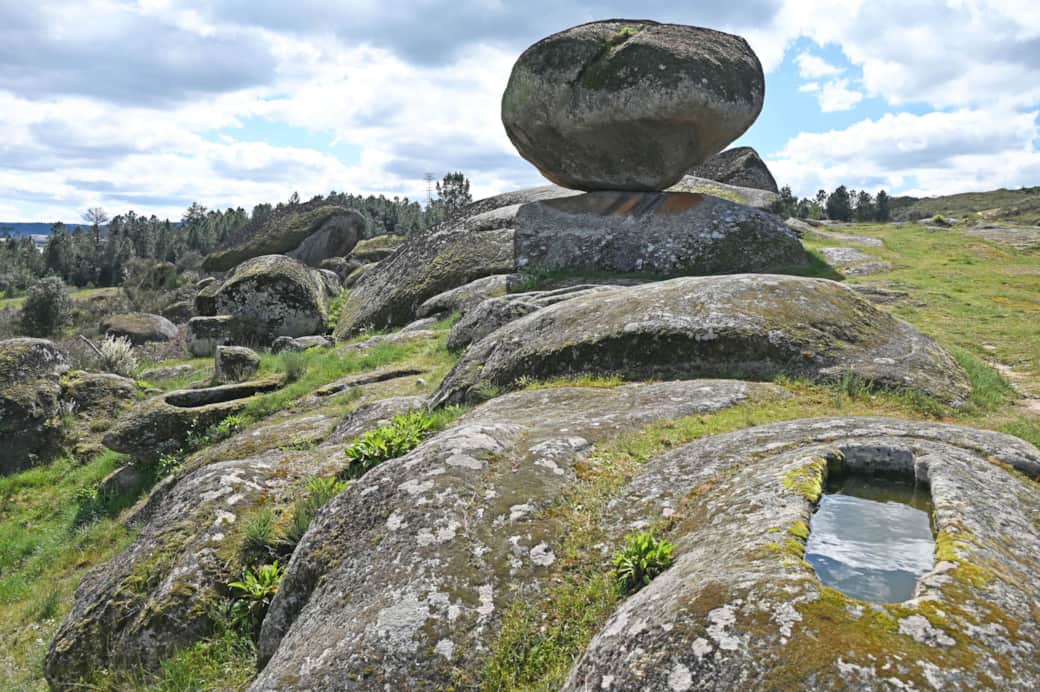
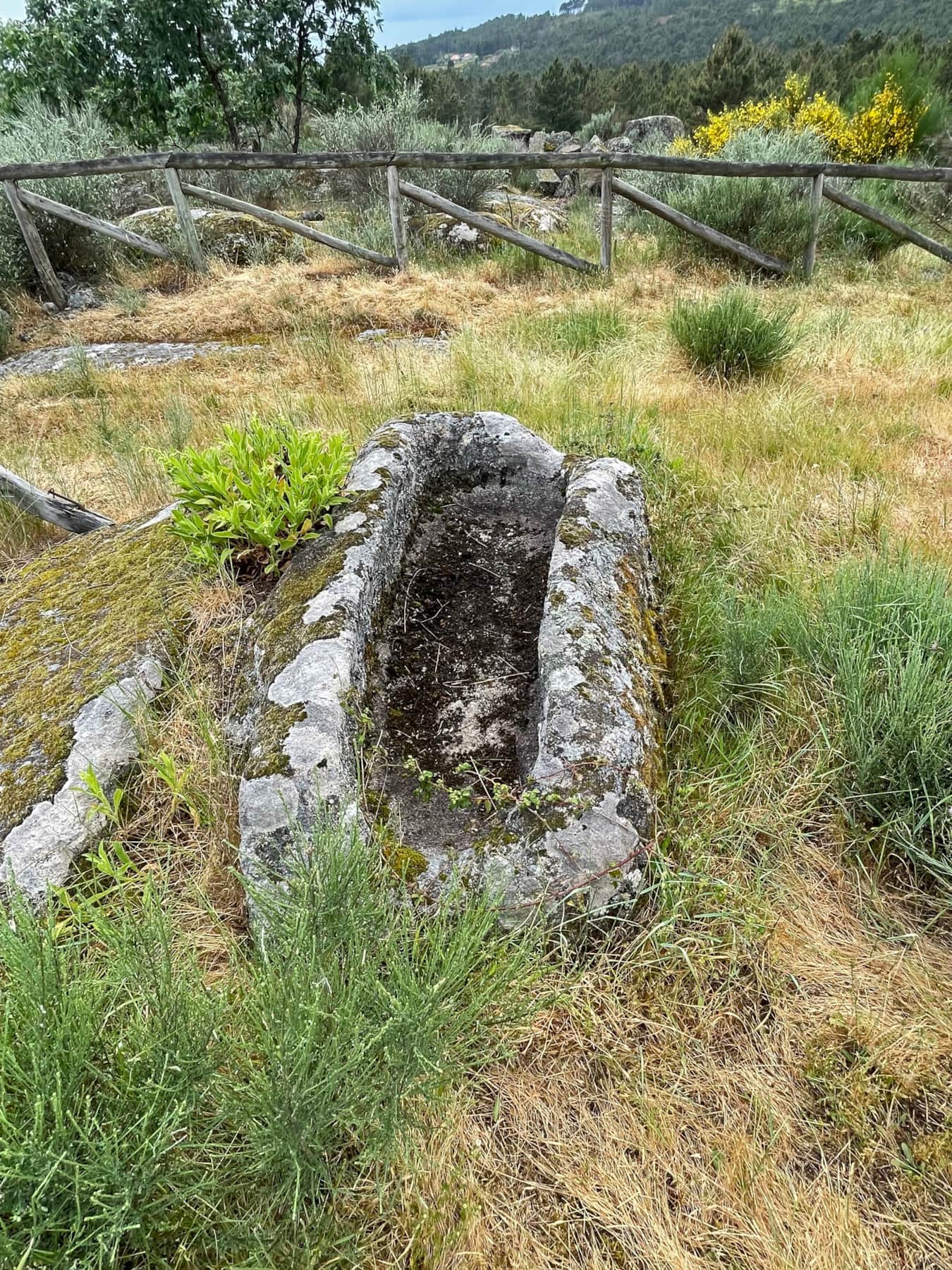
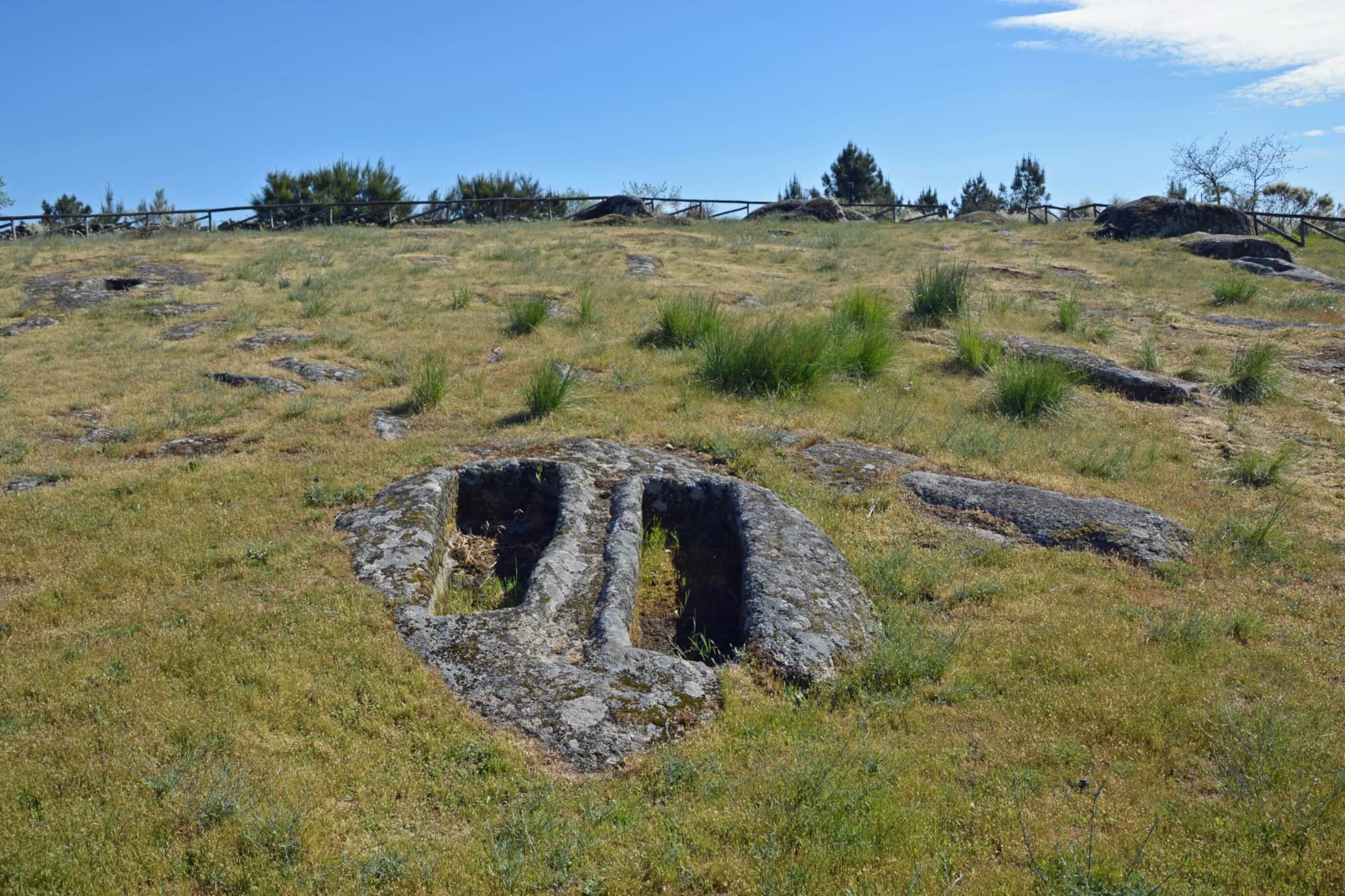
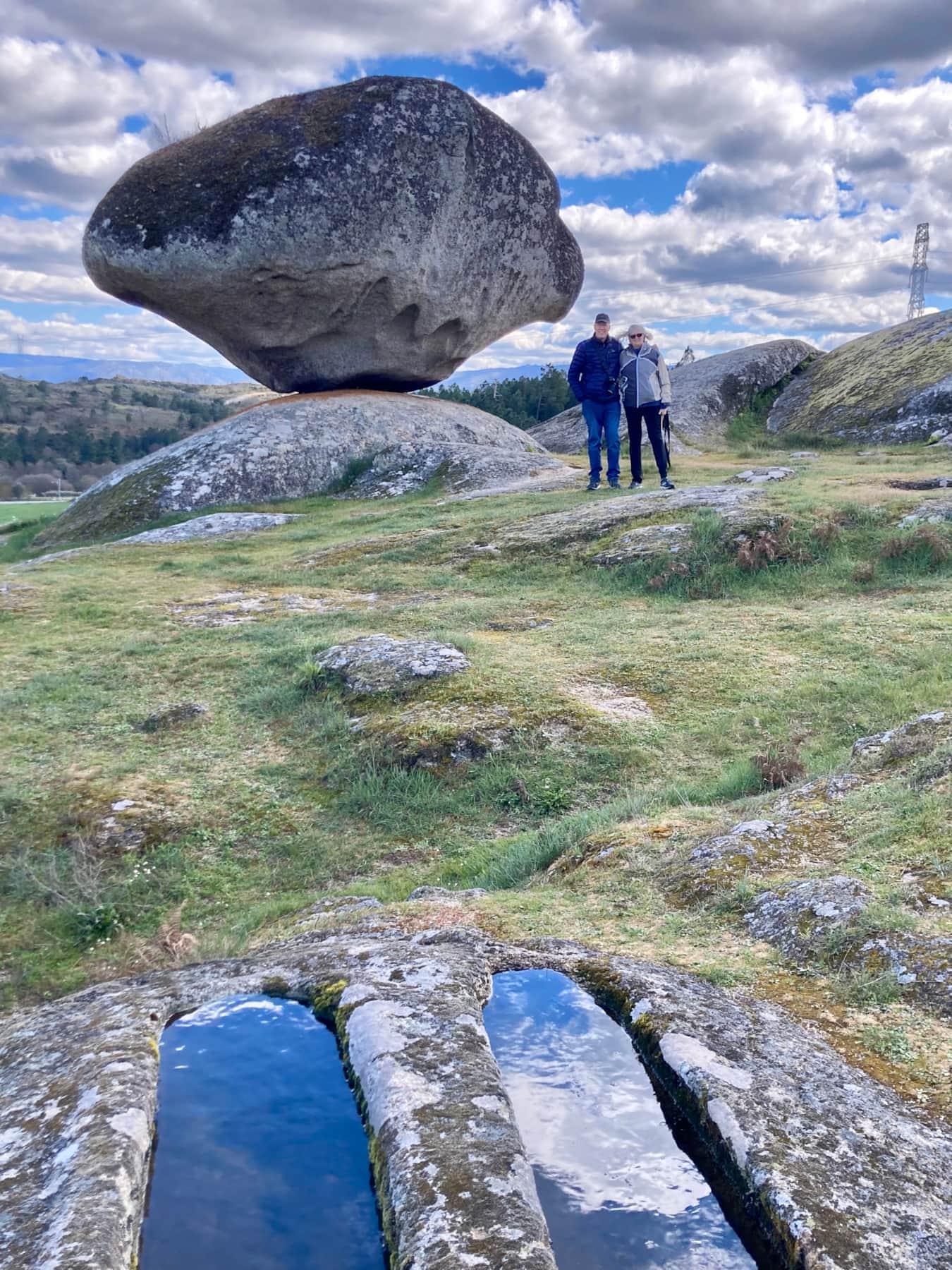
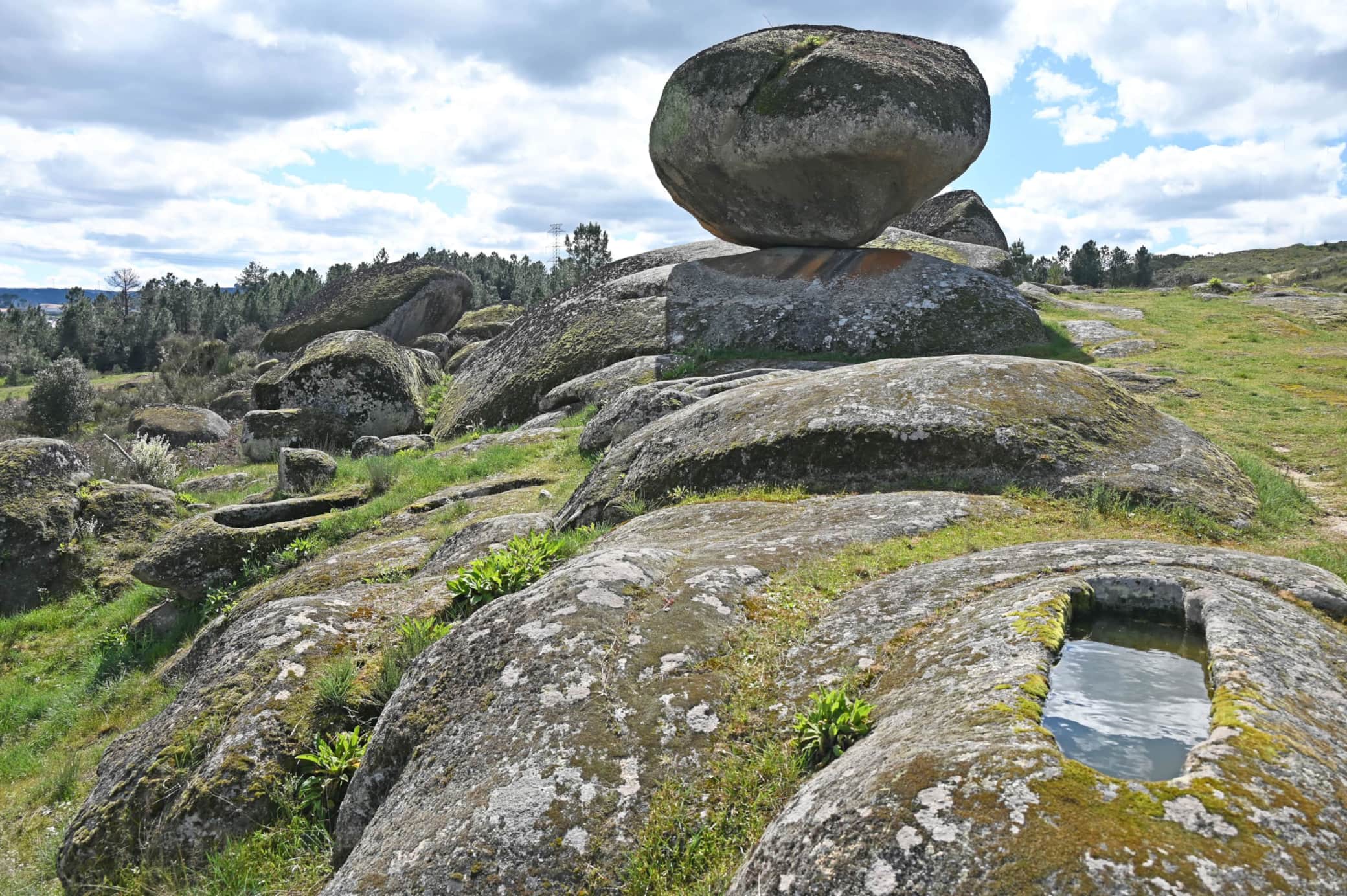
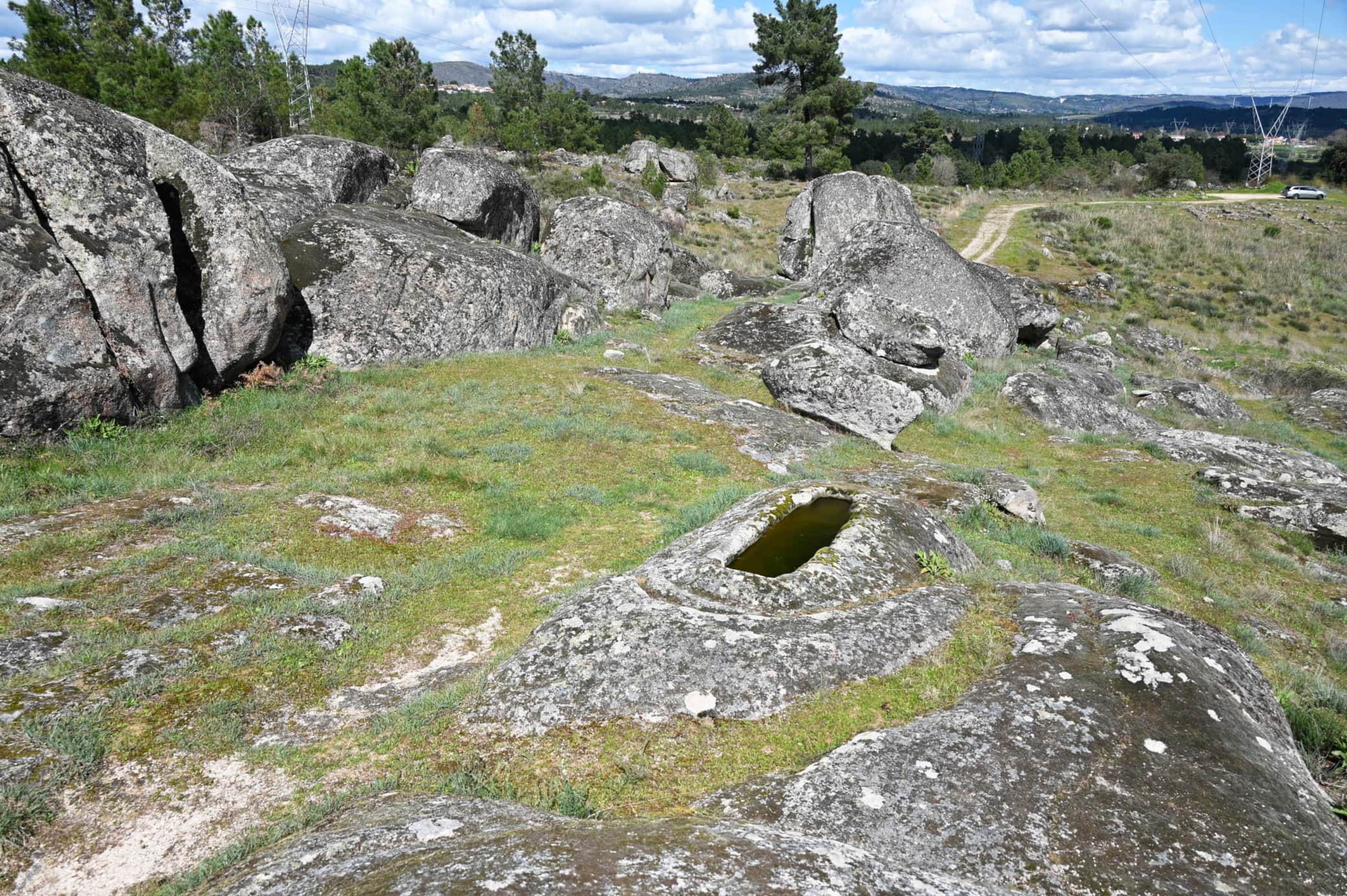
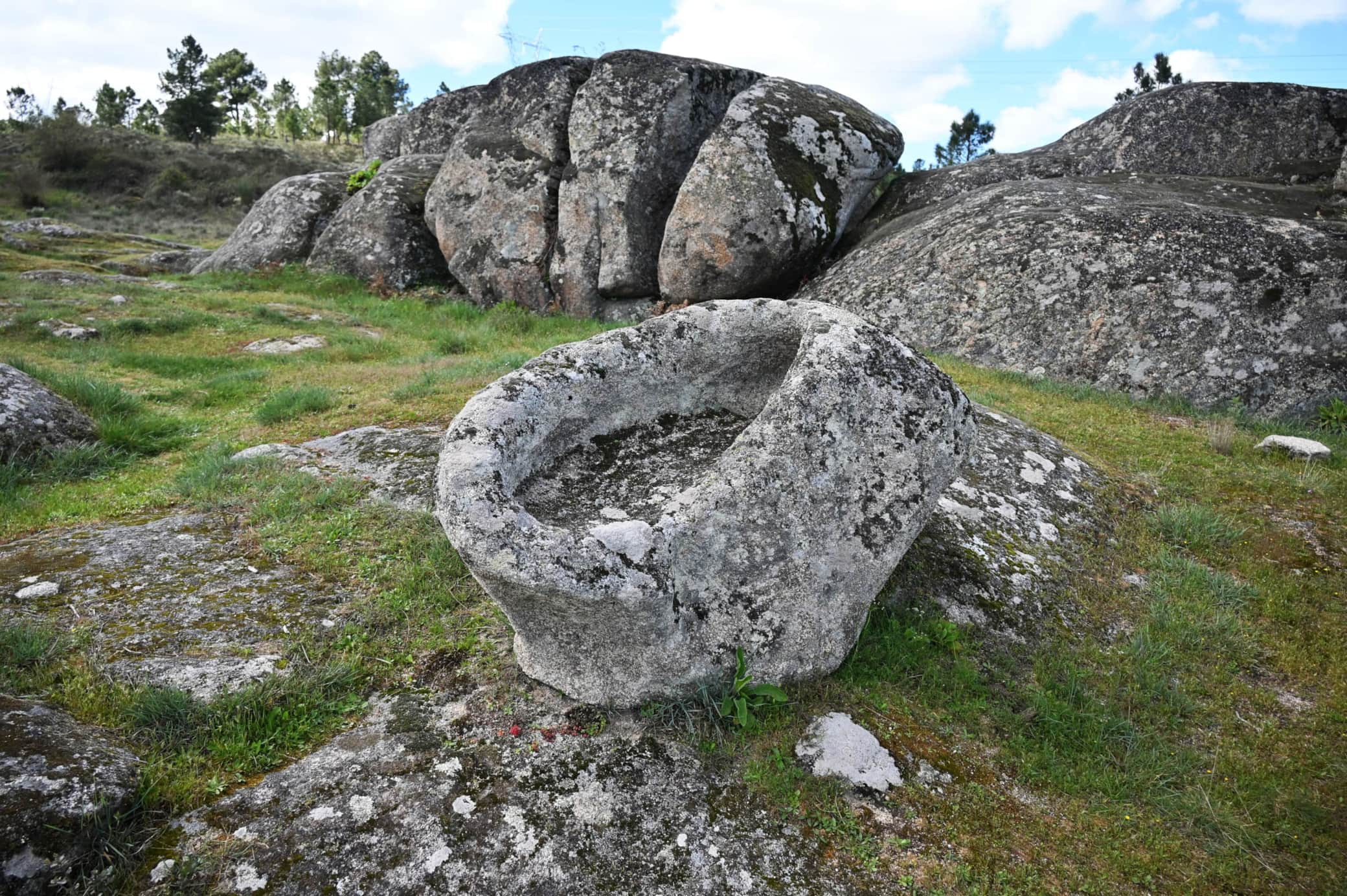
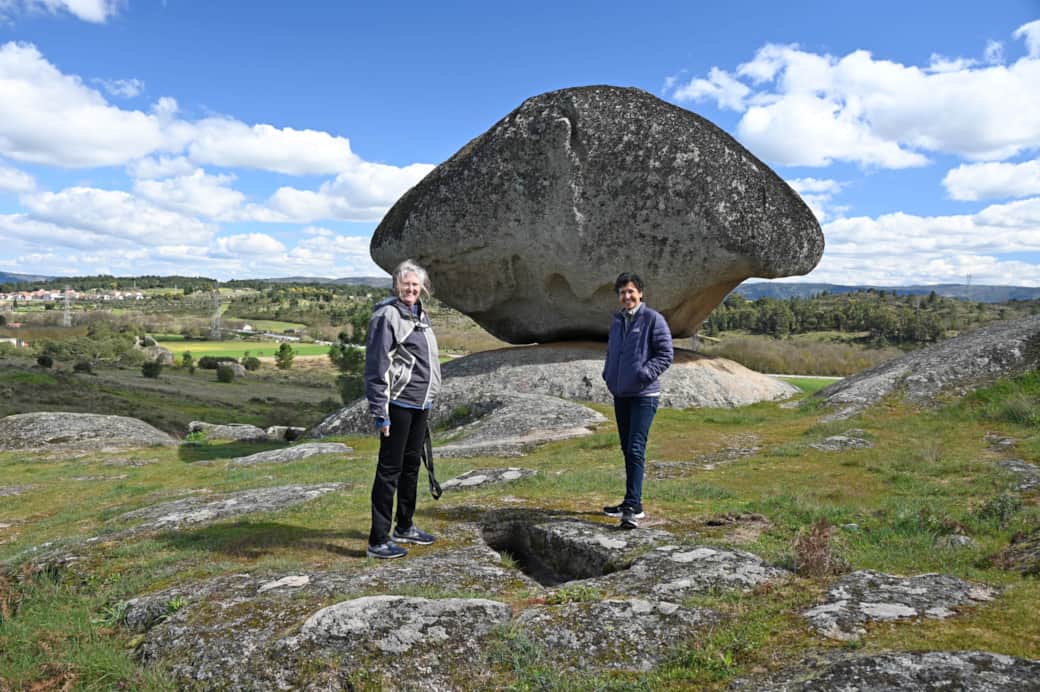
Just a short drive from Casa da Regadinha, São Gens, near Celorico da Beira, is a place where layers of history intertwine. Best known for its 54 rock-cut graves, São Gens is the largest known cemetery of its kind in central Portugal. The graves - carved directly into granite in the 10th century - vary in size and shape, with ovoid, rectangular, and anthropomorphic (human-shaped, with head and feet recesses) carvings. The site’s layout, with graves scattered across the landscape and clustered around the striking Pedra do Sino (the “Bell Rock”) provide a stunning, picturesque panorama. The seemingly random distribution of the graves is in stark contrast to later medieval church-based cemeteries.
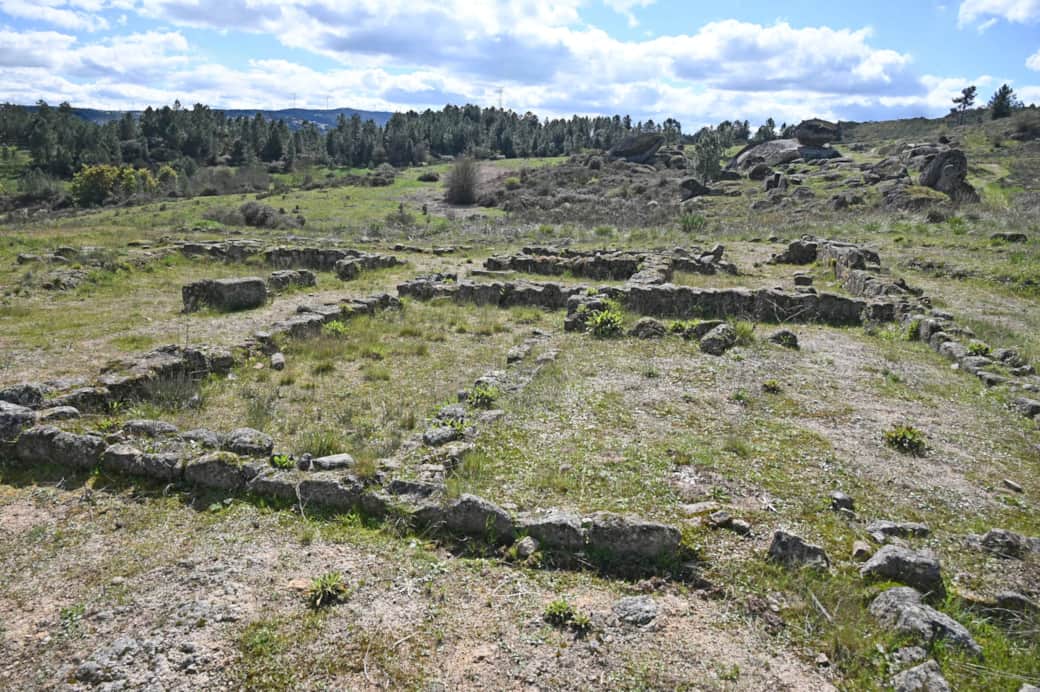
But São Gens is more than just a cemetery. Adjacent to the graves lies the remains of a 10th-century walled settlement, where families lived in simple huts, working the land, and hunting game in the surrounding hills. These were small, self-sufficient communities, carving out a life in a frontier region marked by political uncertainty and shifting borders.
Adding yet another layer of intrigue, São Gens also contains evidence of a Roman farmstead, dating back to the 1st–4th centuries AD. The Roman ruins—found just steps away from the medieval graves—hint at a continuity of human occupation across centuries, from the Roman Empire to the early medieval period. Standing here, among the graves, ruins, and rolling hills, you can truly feel the depth of history in the region.
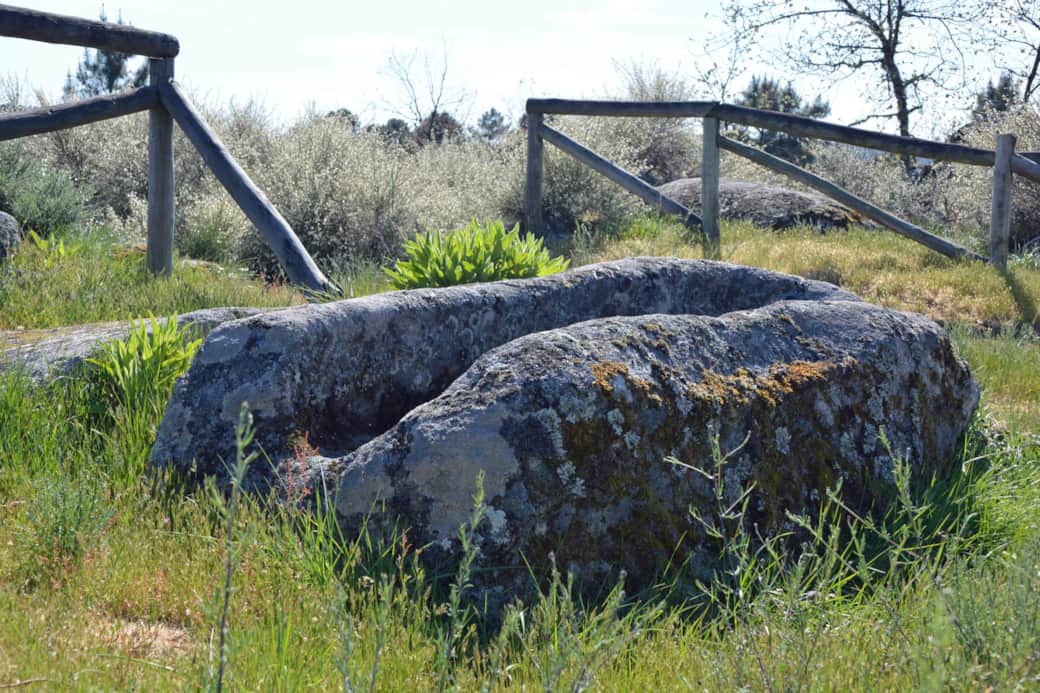
A separate short excursion from Casa da Regadinha brings you to the Necropolis de Forcadas, another remarkable rock-cut cemetery nestled in the rural landscape of the Guarda district. Featuring around 25 tombs in an enclosed field, Forcadas is a testament to the enduring tradition of community-based burial practices in early medieval Portugal, with the sites dating between the 7th and 11th centuries. The graves here are more randomly distributed, with both single and paired sites. Like São Gens, the quiet remoteness of Forcadas lends itself to a deep sense of history. Forcadas reflects a simpler, more personal relationship between families, their ancestors, and the land they called home.
Exploring São Gens and Forcadas is a journey far from the crowds and tourist hotspots. There are no long lines or tour buses here—just open skies, ancient carved stones, an evocative sense of time, and the quiet hum of rural Portugal. We have visited each of these sites several times and have yet to encounter another soul at either place! These sites offer a rare glimpse into a forgotten world, where burial practices, daily life, and landscape blended into a unique expression of community identity.
This is a side of Portugal that many travelers miss—a Portugal of hidden histories, humble stories, and enduring beauty.
Portugal's Unique Stone-Cut Graveyards
9 Muxagata Portugal 2022 (52) alt.jpg